Fence Stain Options: How to Choose the Best Finish for Your Fence
Choosing the right stain for a wood fence helps protect the surface from moisture, sun exposure, and early aging. A proper stain also improves appearance and helps wood last longer in changing weather conditions. Fence Staining Service is important because different stain types offer different levels of protection, color depth, and maintenance needs. Some stains keep the natural wood look, while others provide stronger coverage and durability. Understanding the difference between stain options can help homeowners choose a finish that matches both the condition of the fence and the long-term maintenance goals for the property.
Why Fence Staining Is Important
Wood fences are exposed to rain, humidity, sunlight, dirt, and temperature changes every day. Without protection, the wood may begin to fade, crack, warp, or absorb moisture. This can shorten the life of the fence and lead to costly repairs later.
Staining helps seal the wood surface while improving the appearance of the fence. It also slows down weather damage and helps maintain a cleaner and more consistent finish over time.
In areas that experience strong seasonal weather changes, wood protection becomes even more important. Moisture and direct sunlight can weaken untreated fencing much faster than many homeowners expect.
Understanding the Different Fence Stain Options
Not every stain works the same way. Some are designed to highlight natural wood grain, while others focus more on coverage and durability. The right choice depends on the age of the fence, the wood condition, and the overall look you want for the property.
1. Transparent Fence Stain
Transparent stain offers the most natural appearance. It allows the wood grain, texture, and natural character to remain visible after application.
This type of stain is commonly used on newer fences where the wood still looks fresh and even. It adds light protection while keeping a natural outdoor appearance.
Transparent stain usually requires more frequent maintenance because it contains less pigment for UV protection. However, many homeowners prefer it because it preserves the original beauty of the wood.
2. Semi-Transparent Fence Stain
Semi-transparent stain is one of the most balanced options for residential fencing. It adds noticeable color while still allowing some wood grain to show through.
This option works well for fences that:
- Need moderate UV protection
- Have slight color variation
- Still have good surface condition
- Need a natural but richer finish
Semi-transparent products are often chosen because they provide both appearance improvement and dependable protection without completely covering the wood texture.
3. Solid Fence Stain
Solid stain creates the strongest color coverage and hides most of the natural grain. It is often used for older fences that have visible wear, discoloration, or surface imperfections.
Unlike paint, solid stain still penetrates into the wood surface rather than sitting completely on top of it. This can help reduce peeling problems over time.
- Many homeowners choose solid stain when they want:
- More consistent fence color
- Stronger UV protection
- Better coverage for aging wood
- Longer-lasting appearance
Solid stain can also help extend the visual life of older fencing that still has structural strength.
4. Oil-Based and Water-Based Stains
Fence stains are usually available in oil-based or water-based formulas. Both offer benefits depending on the wood condition and environmental exposure.
Oil-based stain penetrates deeply into the wood fibers. This makes it a common choice for dry or older fencing because it helps restore moisture resistance. It also performs well in areas with heavy rain exposure.
Water-based stain dries faster and usually produces less odor during application. It is easier to clean and often works well for newer wood surfaces. Some modern water-based products also provide strong color retention and mildew resistance.
The best option often depends on how much exposure the fence receives throughout the year and how much maintenance the homeowner wants in the future.
How Climate Affects Fence Stain Performance
Weather conditions can greatly affect how long a stain lasts. Fences exposed to direct sunlight often fade faster because UV rays slowly break down wood fibers and color pigments.
High humidity and moisture can also create problems. Wet conditions may lead to mildew growth, wood swelling, or water absorption if the stain protection weakens over time.
In wooded and mountain areas, fences may remain damp longer because of shade and changing temperatures. This is why proper surface preparation and stain selection are important for long-term protection.
Choosing a stain designed for exterior exposure helps improve durability and reduces the chance of early wear.
Choosing the Right Fence Stain Color
Fence color affects both appearance and maintenance expectations. Some homeowners prefer a natural wood tone, while others want deeper colors that create a stronger contrast around the property.
Natural cedar and light brown tones remain popular because they blend well with outdoor surroundings. Darker colors can create a more modern appearance while helping hide dirt and uneven aging.
When selecting a color, it is important to consider:
- The color of the home exterior
- Landscaping features
- Sun exposure levels
- Future maintenance plans
A darker stain may absorb more heat, while lighter shades may show weathering sooner in high-traffic areas. Those who are searching for Fence Staining Services Near Me should focus on proper wood preparation, stain quality, and long-term protection instead of choosing products based only on color.
The Importance of Surface Preparation Before Staining
Even high-quality stain products may fail if the fence surface is not prepared correctly. Dirt, mildew, old coatings, and trapped moisture can prevent stain from absorbing evenly into the wood.
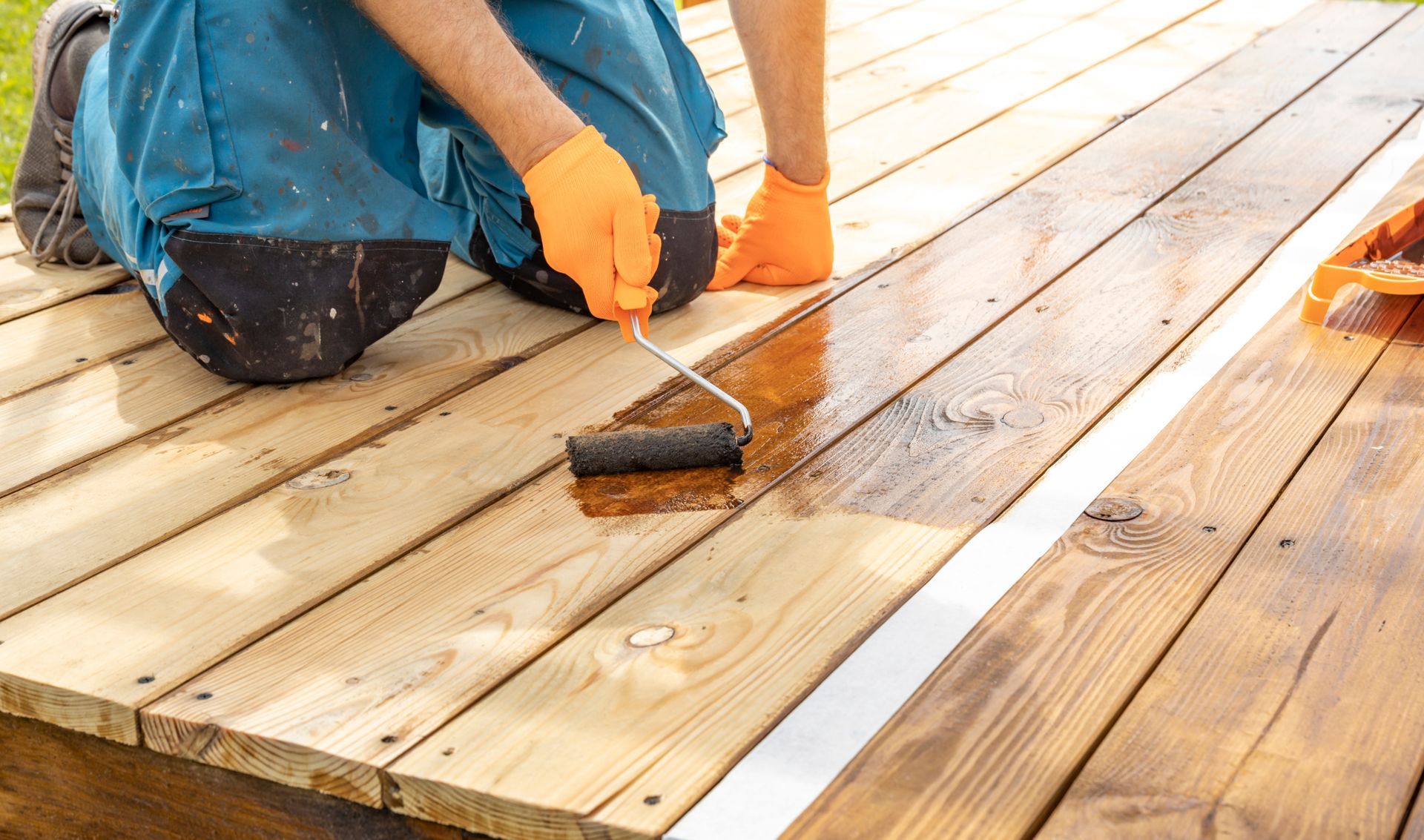
Proper preparation usually includes cleaning, pressure washing, drying time, and minor surface repairs if needed. This helps the stain penetrate properly and improves overall durability. Professional preparation also helps avoid uneven coloring, peeling, or early fading after the staining process is complete.
How Often Should a Fence Be Restained?
Fence restaining schedules can vary based on weather exposure, the type of stain used, and the overall condition of the wood. Some fences may need a new coat every two to three years, while others can last longer with proper maintenance and protection. Over time, homeowners may notice signs such as fading color, rough or dry wood texture, visible cracking, uneven appearance, or water soaking into the surface instead of beading off. Regular inspections can help identify early wear before the fence develops more serious damage or costly repair needs.
Common Mistakes Homeowners Make With Fence Staining
One common mistake is applying stain before the wood is fully dry. Moisture trapped inside the fence can reduce stain absorption and shorten product life.
Another issue is choosing stain based only on color instead of protection level. Some products may look attractive at first but may not perform well in humid or high-sun environments.
Skipping preparation work is another major problem. Proper cleaning and surface preparation often determine how well the stain performs over time.
Protect Your Fence With Professional Wood Staining
Choosing the right stain is only part of protecting your fence. Proper preparation, product selection, and professional application all play an important role in how long the finish lasts. At Whaley’s Painting and More, we help homeowners maintain wood fences with reliable staining solutions designed for East Tennessee weather conditions. If your fence is fading, weathered, or ready for a fresh new look, contact our team today to learn more about our wood staining and exterior maintenance services.
FAQs
1. What is the best type of stain for a wood fence?
The best stain depends on the fence condition and the appearance you want. Transparent stains keep a natural wood look, while solid stains provide stronger coverage and protection. Semi-transparent stains offer a balance between appearance and durability for many residential fences.
2. How long does fence stain usually last?
Fence stain lifespan depends on weather exposure, stain quality, and maintenance. In many cases, stain lasts between two and five years. Fences exposed to direct sunlight, moisture, or heavy weather conditions may require more frequent maintenance and inspection.
3. Should I stain a new fence immediately?
Most new wood fences should dry properly before staining. Fresh lumber may contain moisture that prevents stain from absorbing evenly. Waiting for the recommended drying period helps improve stain performance and long-term protection.
4. Is staining better than painting a fence?
Stain penetrates the wood surface and usually requires less peeling maintenance than paint. It also allows wood texture to remain visible. Paint provides full coverage but may crack or peel over time if moisture becomes trapped underneath.
5. Can weather affect fence staining results?
Yes. Rain, humidity, and direct sunlight can affect stain application and durability. Staining during proper weather conditions helps improve absorption, drying, and long-term performance. Extreme moisture or heat may reduce the effectiveness of the finish.
6. How do I know when my fence needs restaining?
Signs include fading color, rough wood texture, water absorption, cracking, or uneven appearance. If water no longer beads on the surface, the fence may need a fresh protective coating to prevent further weather damage.
7. Does pressure wash help before staining?
Pressure washing helps remove dirt, mildew, and old debris before stain application. A clean surface allows the stain to absorb more evenly into the wood. Proper preparation is one of the most important steps for long-lasting results.
8. Why is professional fence staining helpful?
Professional staining helps ensure proper preparation, product selection, and even application. Experienced staining methods can improve durability, reduce uneven coverage, and help protect wood fencing from long-term weather exposure.
Related Blog:-
5 Things to Avoid When Staining Your Deck
When Is the Best Time to Stain or Paint Your Deck in East Tennessee?